
App Development
Empowering smarter financial decisions with Moneytree
December 27, 2023

TABLE OF CONTENT
- Staff Augmentation explained.
- Managed Services.
In today's fast-paced business landscape, staying ahead of the competition requires a
strategic approach to managing your workforce. Two options that often come into play are staff
augmentation and managed services. While both aim to fulfill your staffing needs, they differ
in several key aspects. In this article, we will delve into the ins and outs of staff
augmentation and managed services, exploring their benefits, drawbacks, and key differences.
By the end, you will have a clearer understanding of which option might be the best fit for
your business.
Heading 1
Let's start by defining staff augmentation. In simple terms, it refers to hiring external
resources on a temporary basis to supplement your existing workforce. These resources,
also known as "augments," possess the required skills and expertise to bridge the gap in
your team. They work alongside your employees, complementing their efforts and alleviating
the strain during peak workloads or specialized projects.
One of the most significant benefits of staff augmentation is the flexibility it offers.
Unlike hiring full-time employees, you have the freedom to onboard augments for shorter
durations, aligning their term with the specific project requirements. This flexibility
allows you to scale your workforce up or down as needed, ensuring optimal resource
utilization and cost-effectiveness.
Moreover, staff augmentation provides an opportunity for knowledge transfer and skill
enhancement within your existing team. When you bring in external resources with
specialized expertise, they can share their knowledge and best practices with your
employees. This collaboration not only helps in completing the current project
successfully but also enhances the skill set of your team members, enabling them to tackle
similar challenges in the future.
However, it's important to acknowledge the potential drawbacks of this approach.
Communication and integration may pose challenges when integrating external resources into
your existing team. It is crucial to establish effective communication channels and
provide clear guidelines to ensure seamless collaboration between your employees and the
augments. Regular team meetings and project updates can help foster a sense of unity and
shared goals among the team members.
Additionally, staff augmentation often requires diligent oversight and management to
effectively integrate the augments and ensure they seamlessly blend with your company
culture. It is essential to provide proper orientation and training to the external
resources, acquainting them with your company's values, processes, and expectations. By
investing time and effort in their integration, you can create a cohesive and productive
work environment where everyone feels valued and motivated.
Furthermore, staff augmentation can bring fresh perspectives and innovative ideas to your
team. Augments, being external resources, may have worked with different companies and
industries, exposing them to diverse practices and approaches. Their unique insights and
experiences can contribute to the overall growth and development of your team, fostering a
culture of continuous learning and improvement.
In conclusion, staff augmentation offers numerous benefits, including flexibility,
knowledge transfer, and fresh perspectives. However, it requires careful management and
integration to ensure effective collaboration and alignment with your company's goals and
values. By leveraging the strengths of both your existing team and the external resources,
you can enhance productivity, meet project demands, and drive overall success.
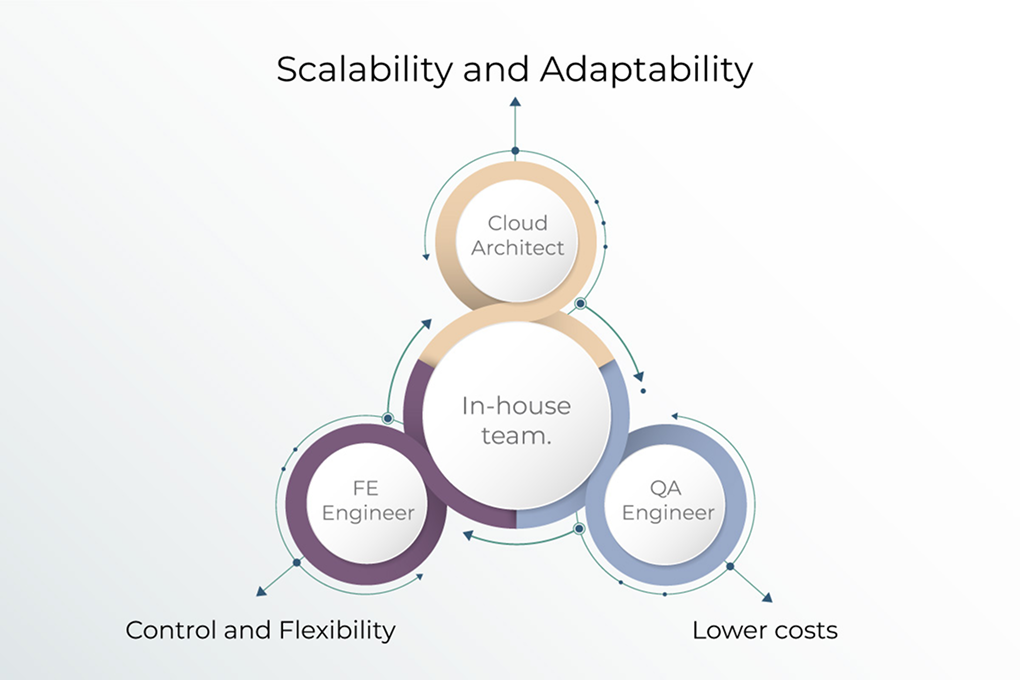
Heading 1
Let's start by defining staff augmentation. In simple terms, it refers to hiring external
resources on a temporary basis to supplement your existing workforce. These resources,
also known as "augments," possess the required skills and expertise to bridge the gap in
your team. They work alongside your employees, complementing their efforts and alleviating
the strain during peak workloads or specialized projects.
One of the most significant benefits of staff augmentation is the flexibility it offers.
Unlike hiring full-time employees, you have the freedom to onboard augments for shorter
durations, aligning their term with the specific project requirements. This flexibility
allows you to scale your workforce up or down as needed, ensuring optimal resource
utilization and cost-effectiveness.
Moreover, staff augmentation provides an opportunity for knowledge transfer and skill
enhancement within your existing team. When you bring in external resources with
specialized expertise, they can share their knowledge and best practices with your
employees. This collaboration not only helps in completing the current project
successfully but also enhances the skill set of your team members, enabling them to tackle
similar challenges in the future.
However, it's important to acknowledge the potential drawbacks of this approach.
Communication and integration may pose challenges when integrating external resources into
your existing team. It is crucial to establish effective communication channels and
provide clear guidelines to ensure seamless collaboration between your employees and the
augments. Regular team meetings and project updates can help foster a sense of unity and
shared goals among the team members.
Additionally, staff augmentation often requires diligent oversight and management to
effectively integrate the augments and ensure they seamlessly blend with your company
culture. It is essential to provide proper orientation and training to the external
resources, acquainting them with your company's values, processes, and expectations. By
investing time and effort in their integration, you can create a cohesive and productive
work environment where everyone feels valued and motivated.
Furthermore, staff augmentation can bring fresh perspectives and innovative ideas to your
team. Augments, being external resources, may have worked with different companies and
industries, exposing them to diverse practices and approaches. Their unique insights and
experiences can contribute to the overall growth and development of your team, fostering a
culture of continuous learning and improvement.
In conclusion, staff augmentation offers numerous benefits, including flexibility,
knowledge transfer, and fresh perspectives. However, it requires careful management and
integration to ensure effective collaboration and alignment with your company's goals and
values. By leveraging the strengths of both your existing team and the external resources,
you can enhance productivity, meet project demands, and drive overall success.